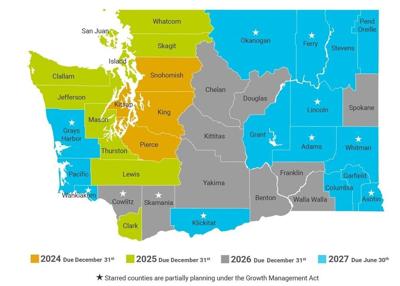


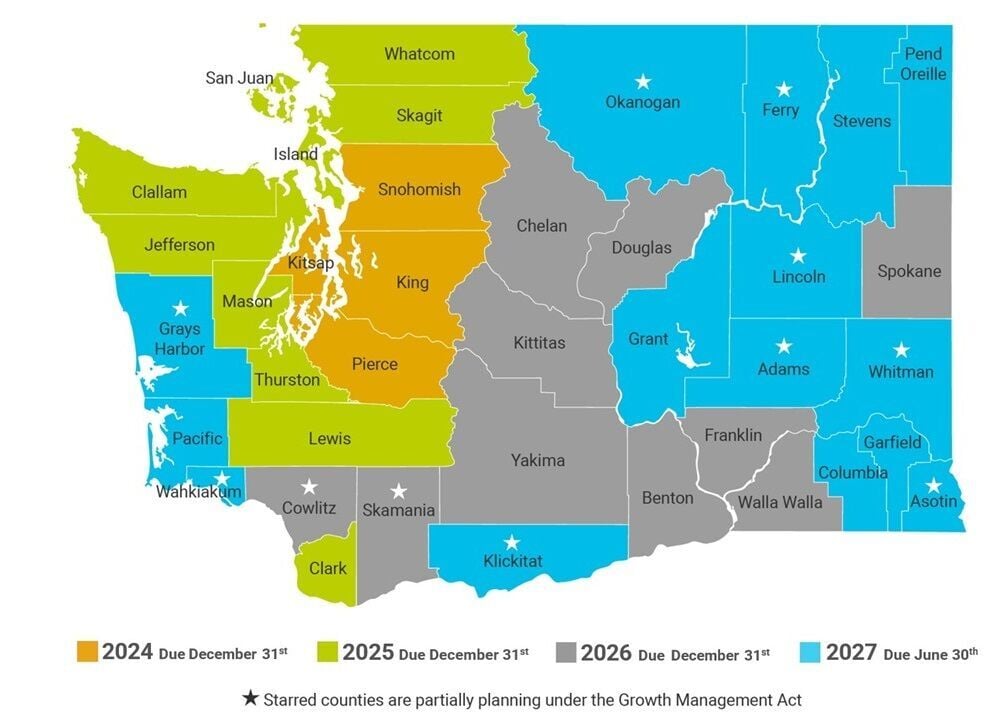
As local governments continue to make progress and finalize their periodic update processes, we want to offer some important reminders about the steps necessary to finalize the periodic update process.
- Legislative action: After reviewing and revising (if necessary) your local plans and regulations, you must take legislative action to formally conclude the periodic review process. For every ordinance or resolution that is a component of your periodic update process, include a finding in the recitals that this action is part of the periodic update. Our Periodic Update webpage includes examples of legislative language for you to reference.
- Final action: When you have completed the periodic update process, the last legislative action you take should include a finding in the recitals that you have taken all necessary action and that your periodic update is complete. A clear statement in the record that you have completed the update is critical. Again, we have sample language available to help guide you through this final step.
- Notify Department of Commerce: Your final action of the periodic update process (resolution or ordinance) should include a declaration stating that the jurisdiction has completed all of the requirements of the update required under RCW 36.70A.130. You are required to send every comprehensive plan or development regulation amendment that you adopt to Commerce within ten days of adoption. We recommend you also promptly publish notice of adoption and include a statement regarding the periodic update in your published notice of adoption. Our submittal cover sheet has a check box to indicate whether the adopted ordinance was part of the periodic review. Many jurisdictions have been working on their updates and adopting changes in phases. Formal notice that the process is complete is critical to keeping us in the loop and so you are not inadvertently listed as overdue on the status list.
- Publication of the action: Local governments must publish actions related to changes to comprehensive plans and development regulations pursuant to RCW 36.70A.290(2). This step starts the 60-day appeal clock and will help defend your process if a failure-to-act claim is made after the end of the 60-day appeal period. It also may set the effective date if the actions fall under those identified in RCW 36.70A.067.
This content is sourced from . It reflects the author's views and has not been edited by our newsroom. It may have been generated using AI assistance.