


OLYMPIA — The Washington Department of Fish and Wildlife (WDFW) is launching a new online map as part of the agency’s ongoing Aquatic Biodiversity Study. This new map shows freshwater ecosystems statewide and lets people explore where aquatic species live in Washington's major river systems.
The interactive map displays species distribution and is a planning tool for conservation districts, land-use planners, municipalities, and tribal governments statewide. This informs permitting and development decisions by letting managers know which of these often-under-studied species occur within their watershed so they can preserve and protect them. It also helps prioritize habitat restoration and fish passage projects by identifying which species have been recently detected in specific watersheds.
The public can view the map on the WDFW website to learn about the diversity of aquatic life in Washington's rivers, while seeing how the information supports conservation and restoration efforts.
People are also reading…
"As part of the Aquatic Biodiversity Study, our goal is to conduct a census in every major river in Washington over the next seven years. This map documents our work as we survey Washington’s rivers,” said Marie Winkowski, WDFW’s Native Aquatic Species Unit Lead. “The intent is to make complex genetic data understandable and useful for everyone involved in protecting our state’s waterways."
The multi-year Aquatic Biodiversity Study will survey major river systems statewide. The study has already covered nine watersheds (more than 10% of the state) and detected more than 1,000 species including fish, amphibians, and insects.
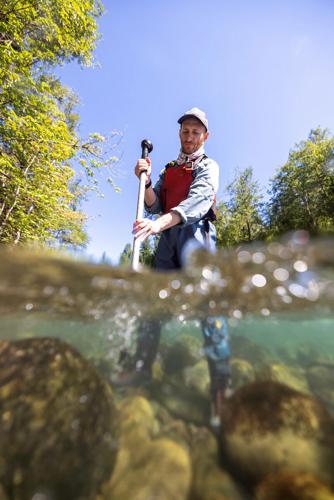
As part of the study, scientists identify species by matching environmental DNA (eDNA) from water samples with reference databases that contain DNA barcodes for thousands of species. This process is called “metabarcoding.”
This noninvasive method allows scientists to detect rare species without disturbing their natural habitats. It is an efficient alternative to other survey methods like snorkeling or electrofishing.
The initial version of the map displays inland fish and shellfish, including more than 30 species of greatest conservation need. The public can find the current list of focal species on the WDFW Aquatic Biodiversity Study webpage.
The Aquatic Biodiversity Study is supported by state biodiversity and climate resiliency funding. During the 2025-2027 biennial and supplemental sessions, the Legislature cut WDFW's funding for biodiversity by $2 million per fiscal year. This cut drastically reduced the agency's ability to conduct this important eDNA work into the future.
WDFW works to preserve, protect, and perpetuate fish, wildlife, and ecosystems while providing sustainable fish and wildlife recreational and commercial opportunities.


